Despite clear links to consumer pleasure and economic success, cafe owners occasionally undervalue the significance of physical space design. Customer behaviour may occasionally be influenced by the interior environment, which has a significant impact on how long customers stay at places. Today’s cafe owners understand that making an investment in well-thought-out cafe interior design turns ordinary rooms into locations that patrons consciously pick throughout their daily routines. Professional design skills naturally help corporate operations by merging practicality and visual appeal. Intentional material selection and space layout lead to customer comfort. When design components complement one another and encourage social interaction, ambience is created. Creating environments where clients actually want to stay for long periods of time rather than hurrying through transactions is the only way for businesses to succeed.
Creating Welcoming First Impressions
Cafe entrances sometimes remain overlooked despite obvious importance for customer perception throughout initial visits. First impressions occasionally determine whether visitors decide to remain or seek alternatives. Thoughtful design immediately communicates cafe personality and values through visual presentation. Lighting selection influences mood substantially from the moment customers enter. Colour schemes either invite relaxation or energise depending upon the intended atmosphere. Wayfinding happens naturally when layout guides customers intuitively. Entrance impact matters substantially for retention. Initial perception matters profoundly for business success.
Establishing Comfortable Seating Arrangements
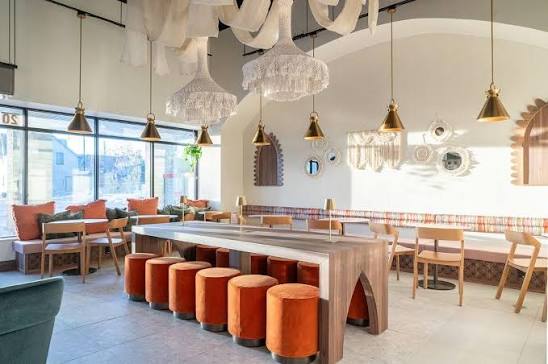
Customer comfort sometimes remains compromised through poor furniture selection and arrangement throughout spaces. Seating variety occasionally gets overlooked despite diverse customer preferences. Design specialists incorporate different seating options accommodating various needs throughout establishments. Individual tables support solo visitors preferring privacy. Communal seating encourages conversation amongst strangers. Booth arrangements provide intimate spaces for couples and small groups. Ergonomic considerations prevent discomfort during extended stays. Seating variety matters substantially for satisfaction. Comfort matters profoundly for experience quality.
Optimising Acoustic Environments
Sound levels sometimes overwhelm visitors, preventing comfortable conversation throughout cafes. Noise occasionally becomes excessive, disrupting peaceful relaxation. Strategic material selection reduces noise transmission throughout spaces. Sound-absorbing ceiling treatments minimise echo and reverberation. Wall treatments absorb excess noise, creating balanced acoustic environments. Furniture placement affects sound propagation substantially. Acoustic design matters substantially for comfort. Sound quality matters profoundly for conversation.
Implementing Effective Lighting Solutions
Lighting choices sometimes fail to support multiple activities throughout cafe operations. Harsh fluorescent lighting occasionally creates unwelcoming environments. Cafe interior design specialists layer lighting, creating flexibility throughout changing times. Natural light maximises during daylight hours, reducing energy consumption. Warm artificial lighting creates ambiance during evening periods. Accent lighting highlights architectural features subtly. Dimmable options permit atmosphere adjustment. Lighting flexibility matters substantially for adaptation. Ambiance control matters profoundly for experience.
Selecting Appropriate Colour Palettes
Colour psychology influences customer mood substantially throughout cafe experiences. Neutral schemes occasionally feel uninspiring despite their safety. Professional designers select palettes reflecting cafe personality authentically. Warm tones create inviting atmospheres, encouraging lingering. Cool accents provide visual interest without overwhelming. Colour consistency throughout spaces creates a cohesive experience. Palette selection matters substantially for mood. Colour harmony matters profoundly for perception.
Incorporating Functional Workflow Design
Barista efficiency sometimes suffers through poorly organised service areas. Customer queuing occasionally creates bottlenecks, disrupting operations. Strategic layout separates customer and operational zones naturally. Service counter positioning optimises workflow efficiency. Storage accessibility prevents service disruptions. Equipment placement supports efficient preparation. Workflow matters substantially for operations. Efficiency matters profoundly for customer satisfaction.
Displaying Coffee Culture Authentically
Cafe personality sometimes remains hidden beneath generic furnishings and decorations. Authentic character occasionally gets overshadowed by impersonal design. Thoughtful decoration celebrates coffee culture throughout spaces. Equipment displays showcase roasting traditions. Artwork from local artists creates community connection. Coffee bean displays reveal sourcing practices. Authentic displays matter substantially for character. Cultural expression matters profoundly for identity.
Conclusion
Cafe interior design transforms spaces into community destinations through strategic planning and thoughtful implementation. First impressions influence customer decisions substantially. Seating variety accommodates diverse customer needs. Acoustic design supports comfortable conversation. Lighting flexibility creates appropriate atmospheres. Colour selection influences mood throughout experiences. Workflow optimization supports operational efficiency. Authentic decoration celebrates coffee culture genuinely. Those investing in professional design discover cafe transformation supporting thriving businesses and satisfied communities throughout neighbourhoods.