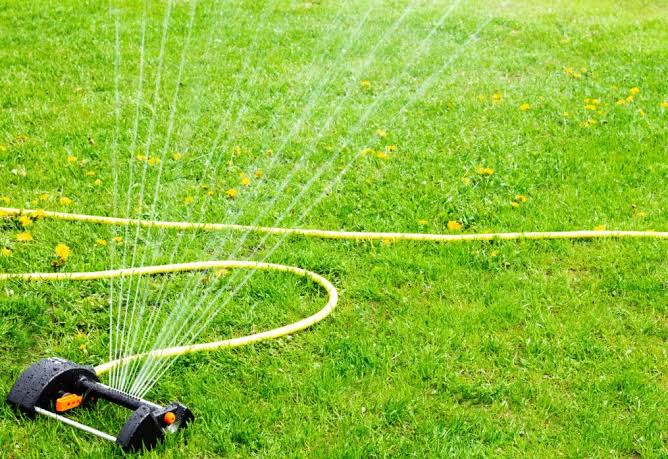
A professionally planned lawn watering system installation is one of the most effective ways to create a greener, healthier, and more resilient landscape. While many property owners rely on manual watering, inconsistent schedules often lead to dry spots, overwatering, or unnecessary water waste. A properly designed irrigation system solves these challenges by delivering the right amount of water where and when it is needed. Redwood Outdoor Designs specializes in creating customized irrigation solutions that improve watering efficiency while supporting healthy, thriving landscapes.
Modern landscapes require more than occasional watering to remain healthy throughout the year. Weather changes, soil conditions, and plant varieties all influence how much moisture a lawn needs. An irrigation system designed for the property’s unique conditions helps maintain consistent growth while supporting responsible water use. Investing in a professional installation also reduces the time spent maintaining outdoor spaces and improves the long-term appearance of the landscape.
Why Lawn Watering System Installation Is Worth the Investment
A healthy lawn depends on consistent hydration. Unfortunately, watering by hand often creates uneven coverage because some areas receive too much water while others receive too little. Over time, this imbalance weakens grass, encourages weeds, and increases the likelihood of disease.
A professionally installed irrigation system distributes water evenly across the landscape, allowing every section of the lawn to receive adequate moisture. This balanced approach encourages deeper root development, stronger turf, and improved resistance to heat and seasonal stress.
Additional benefits include:
- Consistent watering schedules
- Reduced water waste
- Lower utility costs through improved efficiency
- Healthier grass and ornamental plants
- Less time spent on manual watering
- Increased property value
- Improved curb appeal throughout the year
These advantages make irrigation systems a practical long-term investment for both residential and commercial properties.
Understanding How Modern Irrigation Systems Work
Today’s irrigation technology has advanced significantly beyond traditional sprinklers. Modern systems combine efficiency, automation, and precision to maximize water conservation while maintaining attractive landscapes.
A complete irrigation system typically includes:
Sprinkler Heads
Sprinkler heads distribute water evenly across lawns. Different spray patterns are selected depending on the size and shape of each watering zone.
Drip Irrigation
Drip irrigation delivers water directly to plant roots through small tubing and emitters. This method minimizes evaporation and is particularly effective for flower beds, shrubs, vegetable gardens, and landscaped borders.
Smart Irrigation Controllers
Programmable controllers automate watering schedules based on seasonal requirements. Many smart controllers adjust watering times using local weather information, helping reduce unnecessary irrigation after rainfall.
Rain and Moisture Sensors
Sensors temporarily suspend irrigation during wet conditions, preventing overwatering and conserving water without requiring manual adjustments.
When combined, these components create an irrigation system that promotes healthier landscapes while reducing maintenance requirements.
Factors That Influence Lawn Watering Needs
No two landscapes require exactly the same irrigation schedule. Several environmental factors determine how much water a lawn needs throughout the year.
Soil Type
Different soils absorb and retain moisture differently.
- Sandy soil drains quickly and typically requires more frequent watering.
- Clay soil retains moisture longer but can become oversaturated if watered excessively.
- Loamy soil provides balanced drainage and moisture retention, making it ideal for healthy turf growth.
Understanding soil composition allows irrigation systems to be calibrated for maximum efficiency.
Grass Variety
Warm-season and cool-season grasses have different watering requirements. Matching irrigation schedules to the specific grass type helps maintain healthy growth without wasting water.
Sun Exposure
Areas receiving full sunlight lose moisture more rapidly than shaded sections of the property. Irrigation zones can be adjusted independently to account for these differences.
Seasonal Weather Changes
Water requirements naturally fluctuate throughout the year. Hot summer temperatures increase evaporation, while cooler seasons generally require less frequent watering.
Professional irrigation systems make these seasonal adjustments much easier through automated programming.
Common Signs a Lawn Needs a Better Irrigation System
Many landscapes display warning signs that indicate inefficient watering practices.
Common symptoms include:
- Brown or yellow patches
- Uneven grass growth
- Pooling water after irrigation
- Dry soil despite frequent watering
- Mushy areas caused by overwatering
- Rising water bills
- Increased weed growth
- Frequent fungal diseases
Addressing these issues with a professionally designed irrigation system often restores lawn health while reducing unnecessary maintenance.
Planning a Successful Lawn Watering System Installation
Every successful project begins with careful planning. Rather than installing sprinklers randomly, professionals evaluate the property’s unique characteristics before designing the system.
Key considerations include:
- Measuring property dimensions
- Identifying landscape zones
- Evaluating water pressure
- Mapping underground utilities
- Selecting appropriate sprinkler heads
- Designing efficient pipe layouts
- Programming watering schedules
This planning process helps ensure every area receives appropriate coverage while minimizing water waste.
The Value of Professional Installation
Although some irrigation products are marketed as do-it-yourself solutions, professional installation provides significant long-term advantages.
Experienced installers understand how to:
- Balance water pressure across multiple zones
- Prevent overspray onto sidewalks and driveways
- Position sprinkler heads for maximum coverage
- Avoid underground utility conflicts
- Improve drainage performance
- Configure smart irrigation technology correctly
Proper installation also reduces the likelihood of future repairs caused by leaks, poor pipe placement, or inefficient system design.
Water Conservation Through Smart Irrigation
Water conservation has become increasingly important for homeowners, businesses, and local communities. Efficient irrigation systems help reduce unnecessary water consumption without sacrificing landscape quality.
Smart irrigation contributes to conservation by:
- Watering only when needed
- Preventing runoff
- Reducing evaporation
- Monitoring rainfall automatically
- Delivering water directly to plant roots where appropriate
These improvements benefit both the environment and long-term utility costs.
Maintaining an Irrigation System for Long-Term Performance
Even a professionally installed irrigation system requires periodic maintenance to continue operating efficiently.
Routine maintenance may include:
- Inspecting sprinkler heads
- Cleaning clogged nozzles
- Checking for leaks
- Testing rain sensors
- Adjusting seasonal watering schedules
- Monitoring water pressure
- Replacing worn components
Preventive maintenance helps extend system lifespan while ensuring consistent landscape performance throughout the year.
Conclusion
A professionally designed lawn watering system installation offers lasting benefits that extend well beyond simple convenience. From healthier grass and stronger root systems to improved water conservation and lower maintenance demands, an efficient irrigation system supports landscapes that remain attractive throughout every season. Careful planning, quality components, and expert installation all contribute to reliable long-term performance.
Redwood Outdoor Designs provides customized irrigation solutions designed to match each property’s unique layout, soil conditions, and landscaping goals. Choosing a professionally installed system helps create a thriving outdoor environment while promoting efficient water use and enhancing long-term property value.