
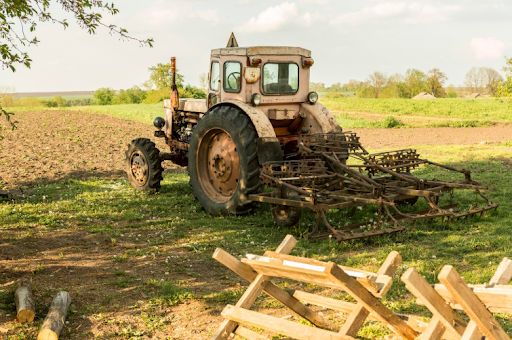
Harvest is a competitive situation. Every unnecessary delay can impact the scheduling, storage space, labor, and overall productivity of equipment when grain is ready to move out of the field. The grain handling truck from the field to the storage or processing plant is more important than it appears. Therefore, it is a choice of grain trucks for sale, and not merely an equipment investment.
This choice can have an impact on the overall effectiveness of the harvest operation, especially when distance to be covered, load capacity, road condition, and the time required for unloading are taken into account.
Ensure the Truck’s Capacity Meets Harvesting Needs
The first thing is to select the right capacity for the operation. A truck with insufficient grain capacity can also make frequent trips, which would consume more fuel and place unnecessary time on the road. Having the right grain truck can be a critical component to a more efficient harvest operation.
Consider specifications of grain trucks for sale as a whole. Take into account average grain production, field size, distance traveled, combine and grain handling capacity.
Excavators for Farming
Excavators can play a useful supporting role during harvest preparation and general farm operations. They can help with drainage work, clearing field entrances, maintaining access roads, digging trenches, and preparing areas around grain storage facilities.
When choosing equipment for these tasks, consider the size of the project, ground conditions, attachment requirements, and how frequently the excavator will be used. Having suitable equipment available can reduce reliance on outside contractors and help keep essential farm maintenance on schedule.
Reduce Time between Loading and Unloading
There’s no correlation between how fast a truck goes and how efficient it will be at harvest. Scheduling and capacity should be coordinated to ensure that loading and unloading take place with minimal disruption.
If one stage regularly spends a lot more time than the others, then that part could also constrain the whole operation.
Select a Grain Body that is Designed for the Task
Due to the direct impact on loading capacity and unloading performance, the grain body should be carefully considered. A practical body should allow sufficient volume and structural strength, and allow easy access for regular servicing.
It should also be appropriate for the type of grain being carried, and the environment in which the truck is used. A properly matched body will make easy loading and unloading more predictable during stressful harvest times.
Consider Farm Roads and Transport Routes
The shortest route isn’t always the easiest route. Grain trucks are authorized to drive on gravel roads, field entry, rough surfaces, and public highways. The truck should be able to cope with all these conditions and with the weight it carries. Consider pavement, turnaround space, bridge clearance issues, inclines, and field-to-storage distances.
Calculate Total Operating Efficiency
The purchase price is important, but it shouldn’t be the only consideration. The actual costs of operating a grain truck are comprised of fuel, maintenance, tire wear, downtime, payload efficiency, and expected life. When comparing grain trucks, look at how each truck you are considering for purchase will impact the entire grain harvest process.