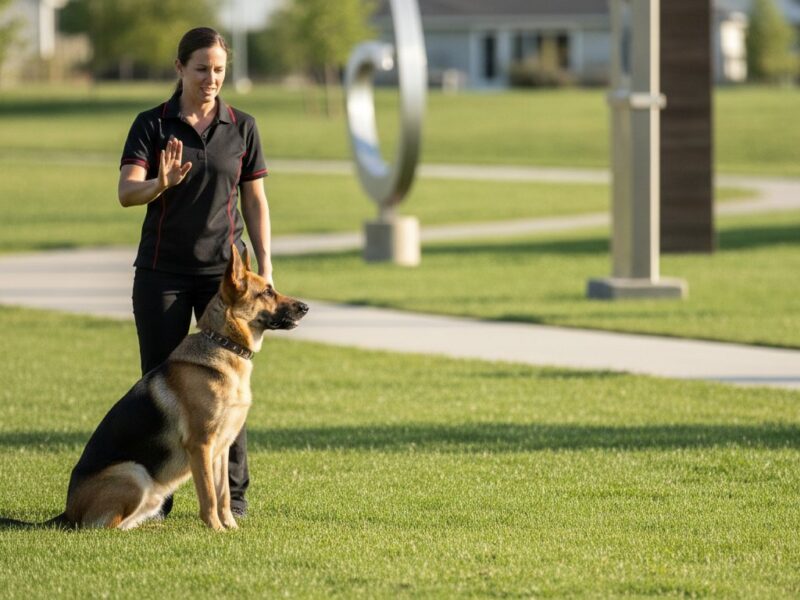
Dog training with owner coaching helps families improve behavior by teaching dogs and owners to communicate effectively. Dogs need clear guidance and consistent practice, while owners need practical skills to reinforce good habits at home. When both understand the training process, progress becomes easier to maintain.
A professional trainer can help owners address leash pulling, jumping, barking, recall problems, and inconsistent obedience. Rather than focusing only on immediate results, this approach builds a foundation for long-term improvement.
For families seeking reliable results, dog training with owner coaching provides a practical way to turn professional instruction into lasting habits. Rob’s Dog Training can help owners develop strategies for better communication and a stronger relationship with their dogs.
Why Dog Training With Owner Coaching Matters
Dogs spend most of their time with their owners, not their trainers. Even when a dog performs well during a session, that behavior may not continue at home unless the owner understands how to reinforce it.
Owner coaching helps people recognize canine communication, respond consistently, and practice useful techniques in familiar environments.
It also helps owners understand why certain behaviors occur. A dog that jumps on visitors may have learned that excitement earns attention. Teaching an alternative greeting gives the dog a clearer way to receive attention.
Effective coaching focuses on practical skills, including:
- Recognizing triggers behind unwanted behavior.
- Using rewards to reinforce desirable responses.
- Giving clear, consistent cues.
- Managing distractions during practice.
- Establishing routines that support learning.
When owners understand these principles, they can make better decisions throughout the dog’s daily routine.
How Owner Coaching Improves Everyday Behavior
Training works best when lessons connect to real-life situations. A dog may understand a cue in a quiet room but struggle when visitors arrive or other dogs pass nearby.
Owner coaching helps families practice skills gradually before introducing more challenging environments.
Building Consistent Communication
Dogs learn through repeated experiences. If one family member rewards jumping while another discourages it, the dog receives conflicting information.
Establishing shared household rules makes training easier. Family members should agree on cue words, rewards, boundaries, and expectations.
For example, everyone can reward the dog for sitting before receiving attention. Over time, the dog learns that calm behavior encourages positive interactions.
Consistency does not mean expecting perfection. It means providing predictable guidance so the dog can succeed.
Reinforcing Positive Behavior
Positive reinforcement rewards behaviors you want to see repeated. Rewards may include treats, praise, toys, play, or access to something the dog enjoys.
Timing matters. Delivering the reward immediately after the desired response helps the dog connect the action with its outcome.
Owners can use this method to encourage loose-leash walking, reliable recall, settling on a mat, and calm greetings.
A trainer can demonstrate techniques, observe the owner’s timing, and recommend adjustments when distractions interfere.
Practicing Skills Beyond Training Sessions
Short practice sessions fit naturally into daily routines. Owners can reinforce useful behaviors without setting aside hours each day.
Try incorporating training into activities such as:
- Asking for a sit before serving food.
- Practicing recall in a secure area.
- Rewarding calm behavior when the doorbell rings.
- Encouraging a loose leash during walks.
- Teaching the dog to settle while family members eat.
These exercises connect training cues with everyday experiences. Gradually increasing distractions strengthens reliability without overwhelming the dog.
Dog Training With Owner Coaching for Common Challenges
Every dog has individual needs influenced by age, temperament, previous experiences, environment, and health. Owner coaching helps families choose techniques suited to their dog’s situation.
Leash Pulling and Walking Manners
Pulling can make walks stressful when dogs become excited by people, wildlife, or other dogs. Owners can learn to reward walking nearby, reinforce attention, and manage distractions.
Begin somewhere quiet where the dog can focus. As skills improve, introduce busier environments while continuing to reward desirable behavior.
Jumping on Guests
Dogs may jump because they are excited or have learned that jumping earns attention. Owners can teach an alternative greeting, such as sitting with all four paws on the floor.
Practice with familiar people before attempting highly stimulating greetings. Guests should follow the same approach to provide consistent feedback.
Barking and Reactivity
Barking can indicate alertness, excitement, attention-seeking, or fear. Understanding the trigger is an important first step.
Owners can learn to recognize tension, increase distance from triggers, and reward calmer responses. Intense fear, aggression, or escalating reactivity may require an individualized behavior plan and qualified professional support.
Recall and Reliable Responses
Reliable recall improves safety but requires gradual practice. Start indoors or in a secure area with minimal distractions, using a consistent cue and rewarding the dog for returning.
Increase difficulty gradually. Avoid repeatedly calling when you cannot reinforce the response, and never punish the dog for eventually returning. Punishment can make coming back less appealing.
How to Get More From Professional Dog Training
Owners can improve training results by preparing for sessions and practicing between appointments.
1. Identify your priorities. Choose behaviors that affect daily life, such as leash pulling or difficulty greeting visitors.
2. Describe the problem clearly. Explain when the behavior happens, what occurs beforehand, and how you respond. Specific examples help trainers assess the situation.
3. Ask for demonstrations. Practicing techniques under guidance improves your understanding of timing, body language, and reward placement.
4. Practice in short sessions. Brief, focused repetitions fit busy schedules and help prevent frustration.
5. Track changes over time. Record triggers, successful responses, and difficult situations. Progress may appear as improved focus or shorter recovery times rather than the immediate disappearance of a behavior.
6. Adjust expectations. Some skills develop quickly, while fear-related or established behaviors may require more time and specialized support.
The goal is to help owners make informed decisions when real-life challenges arise.
Choosing the Right Dog Training Support
When evaluating a dog training service, look for owner participation, practical demonstrations, and guidance tailored to the dog’s needs.
Ask how goals are selected, what owners should practice at home, and how progress will be evaluated. A clear plan explains which behaviors are being addressed and how techniques can be applied safely.
Recognize when additional support is necessary. Sudden behavior changes, signs of pain, severe anxiety, and serious aggression warrant veterinary assessment or other appropriate professional guidance. Training should account for the dog’s physical health and emotional well-being.
A valuable training experience prepares owners to handle challenges independently while helping them recognize when further assistance is appropriate.
Build Better Habits With Rob’s Dog Training
Lasting behavior change requires more than learning a command. Owners must understand how dogs learn, recognize patterns, and apply consistent techniques in everyday situations.
Dog training with owner coaching gives families tools to reinforce good behavior, address common challenges, and build stronger communication. With realistic goals and regular practice, small improvements can become dependable habits.
Rob’s Dog Training helps owners explore solutions that support better behavior and stronger relationships with their dogs. To learn more about available services, visit robsdogs.