
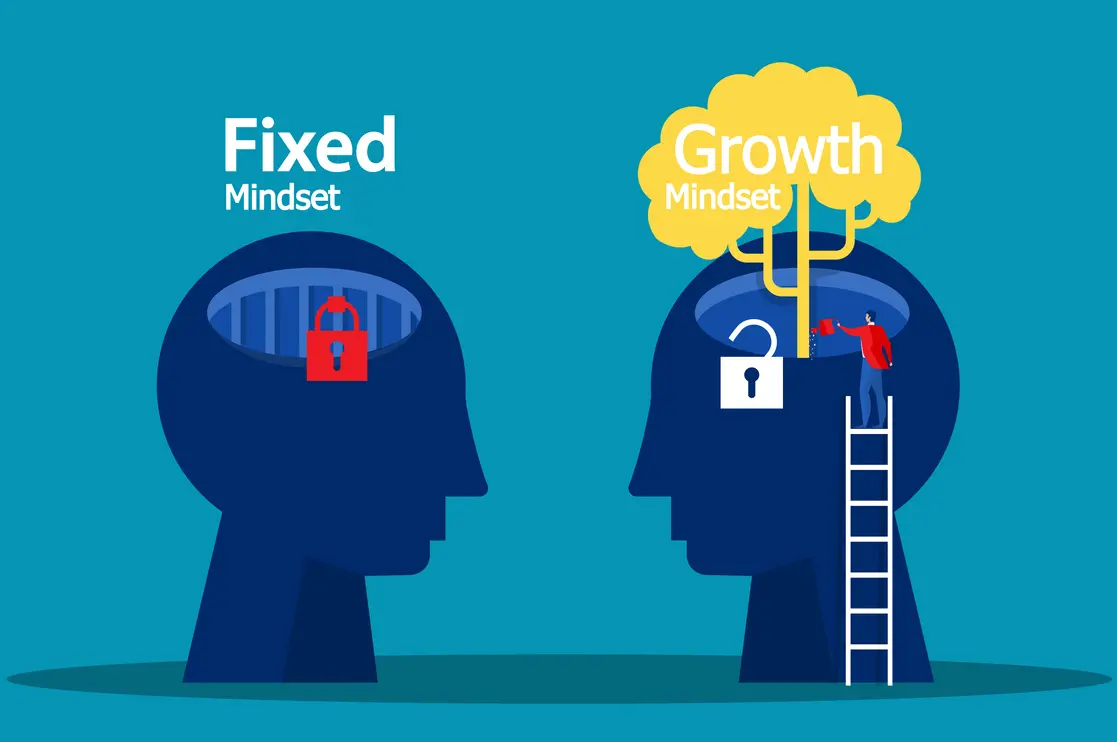
A personal growth mindset is a mental framework where individuals believe that their abilities, intelligence, and skills can be developed over time through dedication, learning, and effort. This concept is increasingly recognized in the fields of psychology, business leadership, and education as a key driver of success and resilience. Unlike a fixed mindset, which assumes talents are innate and immutable, a growth mindset fosters adaptability, perseverance, and continuous improvement.
The concept of growth mindset was popularized by Carol Dweck, who highlighted how individuals’ beliefs about their capabilities shape their learning patterns, career development, and personal fulfillment. By embracing a personal growth mindset, people are more likely to take on challenges, learn from failures, and pursue lifelong learning opportunities.
Core Principles of Personal Growth Mindset
- Embracing Challenges
Individuals with a personal growth mindset perceive challenges as opportunities for development rather than threats. In professional settings, leaders like Satya Nadella emphasize tackling complex problems to foster innovation and team growth. This mindset encourages stepping out of comfort zones and experimenting with new approaches, which is crucial for personal and career advancement. - Learning from Feedback
Constructive criticism is a valuable tool for growth. People with a personal growth mindset view feedback as a roadmap to improvement rather than a personal attack. Educational theorists, such as Howard Gardner, advocate for creating environments where feedback is integrated into learning and development processes, helping individuals refine their skills continuously. - Persistence and Resilience
Setbacks are inevitable in any personal or professional journey. A growth mindset fosters resilience by framing failures as temporary obstacles rather than permanent limitations. Entrepreneurs like Elon Musk exemplify how persistence in the face of repeated failures can eventually lead to transformative achievements. - Continuous Learning and Curiosity
A personal growth mindset thrives on curiosity. Individuals actively seek new knowledge, learn new skills, and explore diverse experiences. Platforms like Coursera and LinkedIn Learning provide opportunities for continuous self-improvement, allowing users to enhance professional competencies while cultivating personal growth.
The Science Behind Growth Mindset
Research in psychology and neuroscience supports the benefits of a personal growth mindset. Studies indicate that brain plasticity allows cognitive and behavioral traits to evolve through practice and learning. This means that individuals can strengthen neural pathways by embracing challenges, practicing deliberate learning, and maintaining consistent effort.
A Stanley D. Brown study demonstrates that adopting growth-oriented thought patterns can increase motivation, improve performance under pressure, and enhance overall well-being. Organizations are increasingly integrating mindset training into employee development programs to leverage these cognitive benefits for better productivity and workplace satisfaction.
Personal Growth Mindset in Professional Life
- Leadership Development
Leaders who cultivate a personal growth mindset inspire their teams to pursue innovation and collaboration. Research by Harvard Business School shows that leaders with a growth mindset foster higher engagement and performance among employees. Such leaders focus on developing talent rather than merely evaluating performance metrics. - Career Advancement
A growth mindset plays a pivotal role in career progression. Professionals who embrace learning from mistakes, seek feedback, and pursue new competencies are better equipped to navigate organizational changes. For instance, Sheryl Sandberg emphasizes adaptability and continuous learning as essential factors for long-term success in dynamic industries. - Entrepreneurial Mindset
Entrepreneurs must constantly adapt to market fluctuations and unexpected challenges. Those with a personal growth mindset are more likely to experiment, iterate, and innovate. Startups often benefit when founders encourage a culture of learning and resilience, turning failures into actionable insights for business growth.
Personal Growth Mindset in Education
The education sector increasingly emphasizes cultivating a personal growth mindset among students. Programs that encourage effort over innate talent improve academic outcomes and psychological resilience. Schools implementing techniques from Mindset Works help students develop adaptive learning habits, self-motivation, and a proactive approach to problem-solving.
Teachers adopting growth-oriented strategies focus on praising effort, persistence, and strategy rather than intelligence. This shift helps reduce fear of failure and enhances students’ engagement in lifelong learning.
Steps to Cultivate a Personal Growth Mindset
- Self-Awareness
Understanding your current mindset is the first step. Reflection exercises and journaling help identify fixed mindset patterns and replace them with growth-oriented beliefs. - Set Learning Goals
Instead of purely outcome-focused objectives, prioritize learning goals that emphasize skill acquisition, knowledge expansion, and personal development. - Embrace Failure as Feedback
Shift your perspective on failure by analyzing what went wrong and identifying actionable lessons. This approach strengthens resilience and motivation. - Surround Yourself with Growth-Minded Individuals
Being part of communities that value learning, experimentation, and curiosity reinforces your own growth mindset. Networking with mentors like Richard Branson or peers in professional development groups can provide guidance and inspiration. - Practice Consistently
Developing a growth mindset requires continuous effort. Regular practice, skill-building exercises, and reflection enhance personal capabilities over time.
Benefits of a Personal Growth Mindset
- Enhanced Resilience – The ability to overcome setbacks and adapt to changing circumstances.
- Increased Motivation – A focus on improvement encourages consistent effort and enthusiasm for learning.
- Improved Performance – Individuals with growth mindsets perform better in educational, professional, and personal endeavors.
- Greater Creativity and Innovation – Embracing challenges and experimentation fosters innovative solutions.
- Lifelong Learning – Growth-minded individuals continuously expand their knowledge, skills, and perspectives.
Conclusion
A personal growth mindset is more than just a philosophy; it is a practical approach to life, learning, and work. By adopting principles such as embracing challenges, learning from feedback, and practicing resilience, individuals can unlock their full potential. Organizations, educators, and leaders increasingly recognize that cultivating a growth mindset not only improves individual performance but also fosters innovation, collaboration, and long-term success. Investing in personal growth mindset development today can lead to profound benefits for career progression, personal satisfaction, and lifelong learning.
Embracing this mindset transforms obstacles into opportunities, failures into lessons, and challenges into catalysts for growth. Whether in education, professional life, or personal endeavors, a commitment to personal growth mindset practices ensures continuous improvement and achievement.